First, Conserve Raw Materials.
Second, Source When You Must.
That’s Been Our Priority Over the Last 80 Years.
From day one, we’ve always strived to reclaim our quality products’ raw materials in the most efficient way possible. Not only are they reclaimed for positive use, but we put them back into new battery production. Our recycling facility is less than a football field away from any of our manufacturing facilities, minimizing over-the-road travel and carbon emissions when transporting recycled raw materials.
We’ve also discovered ways to reuse what may be perceived as “process waste” into useful products:
- We recover an anhydrous sodium sulfate byproduct from process wastewater that’s sold to a national chemical distributor for use in manufacturing glass/textile products.

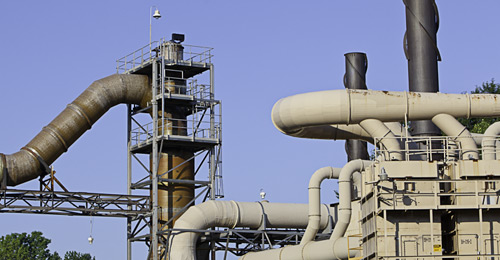
- We capture sulfur oxides and reprocess them into a liquid nitrogen solution that’s sold to agricultural fertilizer manufacturers for use as a raw material.
Unfortunately, we don’t have the capacity to recycle all of our raw material needs, which is why we’ve prioritized responsible sourcing. To better monitor and manage responsible sourcing in our supply chain, we invested in a new tool in 2024. This digital platform uses an extensive network of public and private sector data—the largest, organized body of supply chain data in the world—that has helped East Penn stay abreast of critical issues in our supply chain and ensure all suppliers remain compliant with company policies and regulations.
We’ve also recently broadened our GHG emission reporting to include Scope 3, which takes a deeper look at the GHG emissions associated with our value chain. After having identified the GHG categories most pertinent to East Penn’s business, we look forward to optimizing how we measure them.
East Penn has been working with energy and sustainability advisory company Trio to help manage and reduce emissions in the battery supply chain.
“East Penn understands the value of approaching supplier engagement at the industry level and is focused on engaging suppliers to help drive Scope 3 emissions reductions,” said Erin Williamson, Director of Sustainability Strategy at Trio. “This means refining lead emissions measurements by pinpointing supplier emissions ‘hotspots,’ identifying which suppliers can provide recycled materials, and leveraging that information to consider climate impacts in how East Penn procures raw materials. Understanding the full value chain impact will continue to drive East Penn’s efforts in reducing its overall GHG emissions.”
Transparency will always be part of our sustainability journey. As part of this commitment, we actively engage with EcoVadis, a globally recognized platform for evaluating sustainability performance across environmental, social, and ethical practices. To learn more, visit East Penn’s 2024 sustainability report at https://www.eastpennmanufacturing.com/wp-content/uploads/Sustainability-Report-1811.pdf
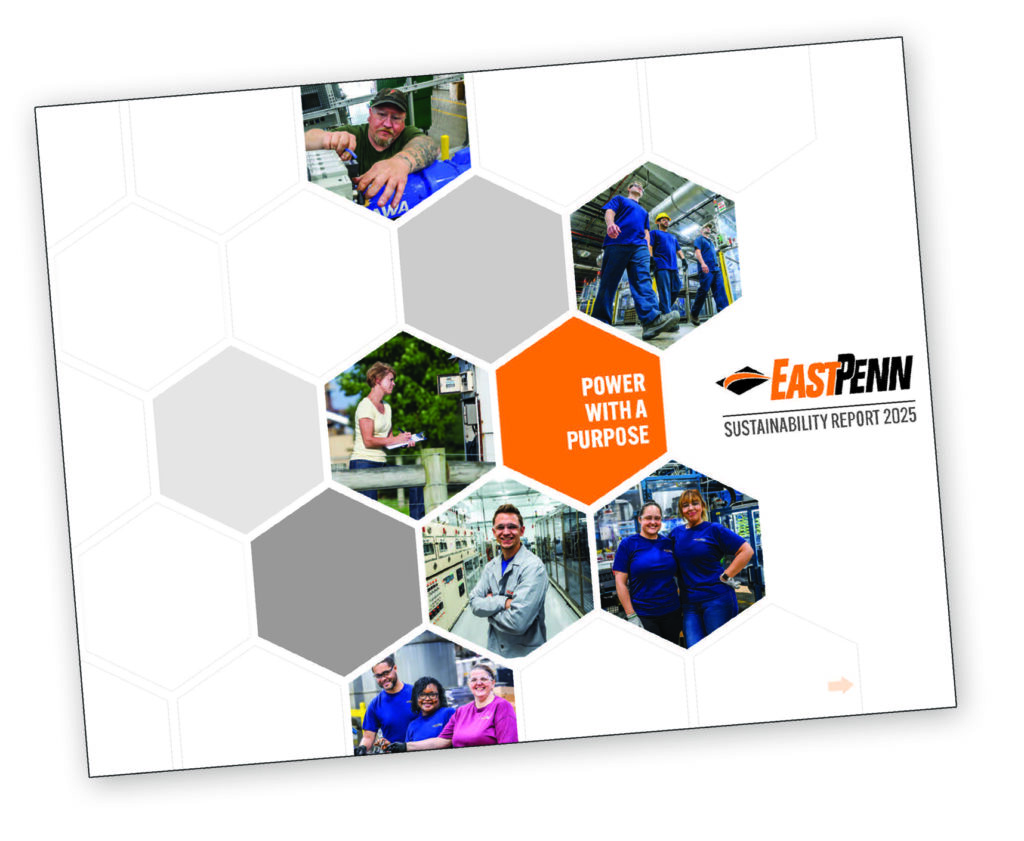
And be on the lookout for our 2025 sustainability report, due to come out this summer. It will feature more updates on our reporting goals and other areas such as our carbon reduction efforts.